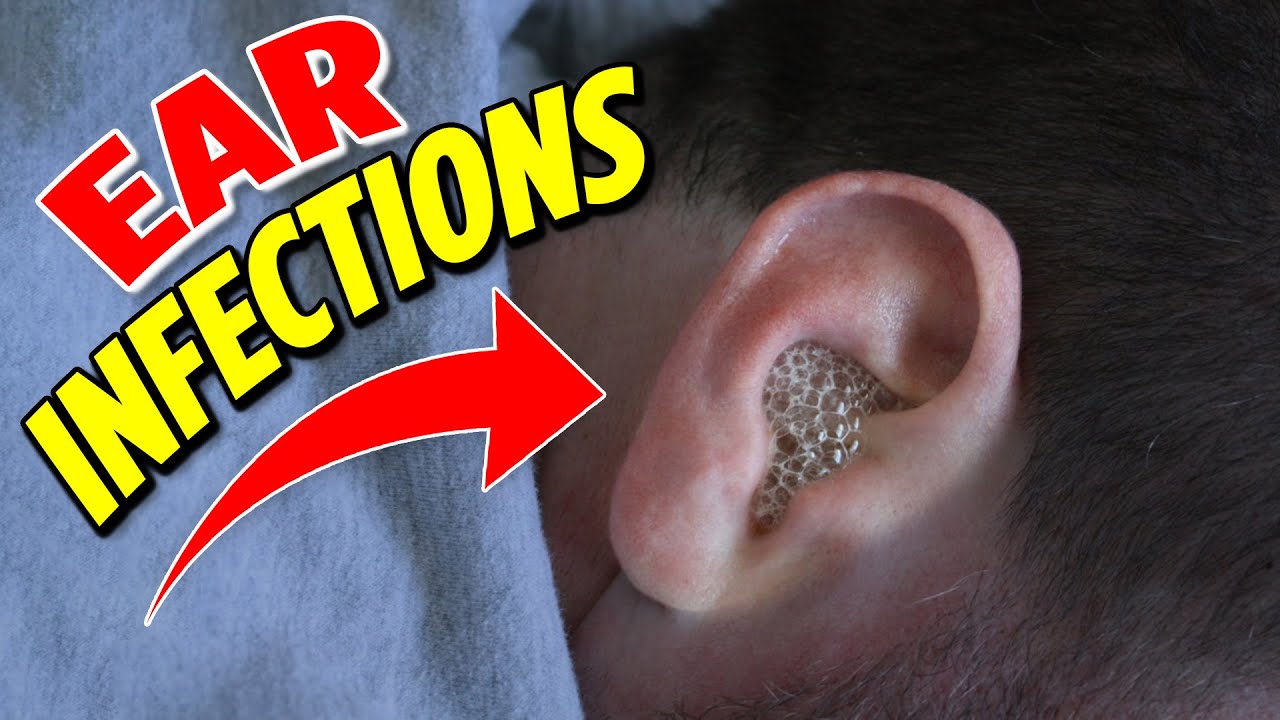
Ear infections are common conditions affecting people of all ages, especially children. These infections can cause discomfort, pain, and even temporary hearing loss if left untreated. Understanding the types of ear infections and their treatments can help in early diagnosis and effective management.
Types of Ear Infections
1. Otitis Externa (Swimmer’s Ear)
An infection of the outer ear canal, often caused by water exposure.
Common in swimmers or individuals with frequent ear cleaning using cotton swabs.
Symptoms: Ear pain, itching, redness, discharge, and swelling.
Treatment:
Ear drops with antibiotics or antifungal medication.
Pain relief medications like ibuprofen or acetaminophen.
Keeping the ear dry and avoiding swimming until fully healed.
2. Otitis Media (Middle Ear Infection)
A bacterial or viral infection of the middle ear.
More common in children due to their shorter Eustachian tubes.
Symptoms: Ear pain, fever, fluid drainage, and hearing difficulties.
Treatment:
Mild cases may resolve on their own.
Antibiotics for bacterial infections.
Pain relievers for symptom management.
Tympanostomy tubes (ear tubes) in chronic cases to drain fluid.
3. Otitis Interna (Inner Ear Infection or Labyrinthitis)
A rare but serious infection affecting the inner ear.
Often caused by viral infections spreading from the respiratory tract.
Symptoms: Dizziness, vertigo, nausea, hearing loss, and balance issues.
Treatment:
Antiviral or antibiotic medications.
Vestibular rehabilitation therapy (VRT) for balance issues.
Corticosteroids to reduce inflammation.
4. Chronic Suppurative Otitis Media (CSOM)
A long-term ear infection with persistent drainage from a perforated eardrum.
Can lead to hearing loss if untreated.
Symptoms: Continuous ear discharge, hearing impairment, and occasional ear pain.
Treatment:
Regular ear cleaning by an ENT specialist.
Antibiotic ear drops or oral antibiotics.
Surgery (tympanoplasty) in severe cases to close the eardrum perforation.
5. Mastoiditis
A severe bacterial infection affecting the mastoid bone behind the ear.
Often a complication of untreated middle ear infections.
Symptoms: Swelling behind the ear, severe pain, fever, drainage, and hearing loss.
Treatment:
Intravenous (IV) antibiotics.
Mastoidectomy surgery in severe cases to remove infected bone.
When to See a Doctor
Seek medical attention if you experience:
Severe ear pain lasting more than 48 hours.
High fever with ear discharge.
Dizziness or balance issues.
Persistent hearing loss.
Swelling or redness around the ear.
Preventing Ear Infections
Maintain ear hygiene and avoid inserting foreign objects.
Keep ears dry, especially after swimming or bathing.
Treat upper respiratory infections promptly.
Vaccinate children against pneumococcus and influenza.
Avoid smoking and exposure to secondhand smoke.
FAQs
1. Can ear infections go away on their own?
Some mild ear infections, particularly viral ones, may resolve without antibiotics. However, bacterial infections often require medical treatment.
2. How long does an ear infection last?
Acute ear infections: 3-7 days.
Chronic infections: May persist for months if untreated.
3. Can ear infections cause permanent hearing loss?
Repeated or untreated infections can lead to complications, including hearing loss, but early treatment reduces this risk.
4. Is it safe to use home remedies for ear infections?
While warm compresses and over-the-counter pain relievers may help, medical consultation is essential for proper treatment.
5. Can swimming cause ear infections?
Yes, swimmer’s ear (otitis externa) is common in those who frequently swim. Keeping ears dry and using earplugs can help prevent infections.
Conclusion
Understanding the different types of ear infections is crucial for timely diagnosis and treatment. Proper medical care ensures quicker recovery. It also prevents complications, whether it’s a mild outer ear infection or a severe inner ear condition.
Disclaimer
This article is for informational purposes only. Please consult an ENT specialist for diagnosis and treatment of any ear-related condition.