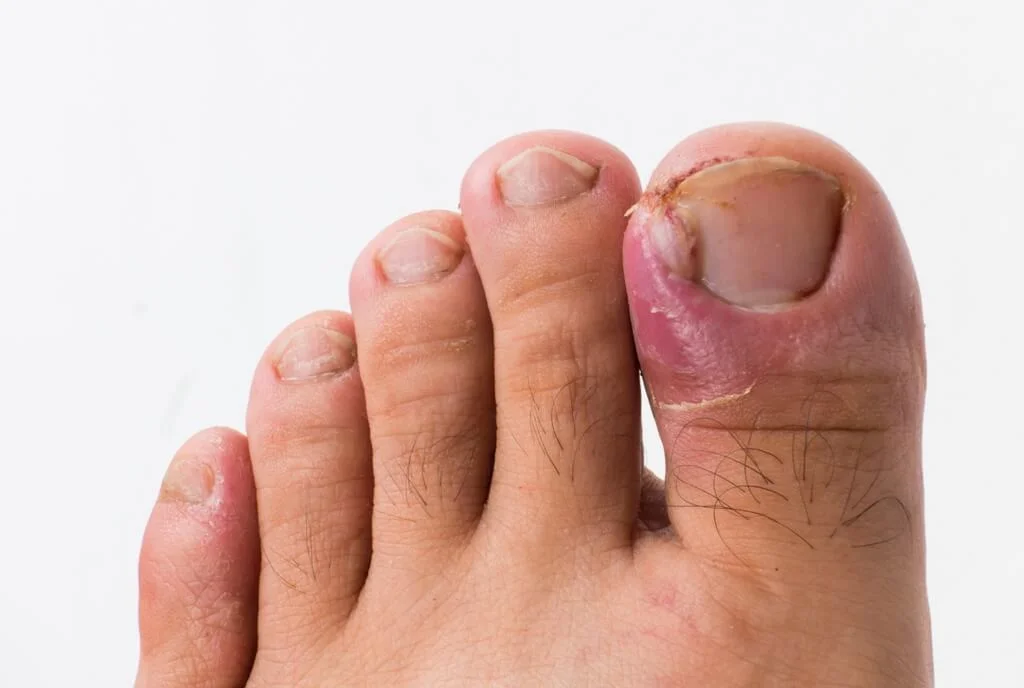
Ingrown or fungal toenails can cause significant discomfort and, in severe cases, require toenail removal surgery. If you’re considering this procedure, seeing real “toenail removal before and after” images can help you understand the results. Below, we explore what to expect before and after toenail surgery, recovery tips, and a gallery showcasing real-life transformations.
Why Toenail Removal?
Toenail removal is often necessary. It is required for certain conditions such as:
Ingrown Toenails – When the nail grows into the skin, causing pain and infection.
Fungal Infections – Severe infections that do not respond to medication.
Nail Trauma – Injuries that cause the nail to become thick, deformed, or painful.
Recurring Nail Issues – Chronic conditions that require permanent toenail removal.
Toenail Removal Before and After Surgery: What Changes?
Before Toenail Removal:
Redness and swelling around the nail.
Pain when walking or wearing shoes.
Possible infection or pus drainage.
After Toenail Removal:
Clean, pain-free nail bed.
Improved comfort when walking.
Healthy skin regrowth and, in some cases, nail regrowth.
Toenail Removal Before and After Gallery
Above Images from patients who have undergone the procedure. These images illustrate the transformation from painful, infected nails to healthy feet post-surgery.
✔ Keep the area clean and dry. ✔ Apply antibiotic ointment and cover with a bandage. ✔ Wear open-toe shoes or loose footwear. ✔ Avoid high-impact activities until fully healed. ✔ Follow up with your podiatrist for post-surgical care.
Final Thoughts
Toenail removal is a simple yet effective solution for persistent nail problems. You can see the potential results by viewing these before and after toenail removal images. You can also set realistic expectations for recovery. If you have an ingrown, fungal, or damaged toenail, see a podiatrist. They can help determine the best treatment for your condition.
For more insights, look at these before and after toenail removal pictures. Discuss your options with a foot specialist today!
FAQs on Toenail Removal Before and After
What is toenail removal surgery? Toenail removal is a procedure. Part or all of the toenail is surgically removed. This is done due to infection, injury, or chronic conditions like ingrown toenails or fungal infections.
How long does it take to heal after toenail removal? Healing typically takes 2 to 6 weeks. The duration depends on whether the entire nail was removed. It also depends on how well aftercare instructions are followed.
Will my toenail grow back after removal? If only part of the nail is removed, it will regrow in 3 to 6 months. If the nail matrix is destroyed (permanent removal), the nail will not grow back.
Does toenail removal hurt? The procedure is performed under local anesthesia, so you won’t feel pain during the surgery. Some discomfort or mild pain may occur once the anesthesia wears off.
What should I do after toenail removal for quick recovery?
Keep the area clean and dry.
Apply antibiotic ointment and bandage the toe daily.
Wear open-toe or loose shoes.
Avoid strenuous activities for a few days.
Can I walk after toenail removal? Yes, but it’s advisable to limit walking for the first 24 to 48 hours. Wear comfortable footwear to avoid pressure on the toe.
How do toenails look after removal? Right after removal, the nail bed may appear raw and red. Over time, it will heal into smooth skin or regrow a nail, depending on the procedure.
Is toenail removal covered by insurance? In many cases, yes, especially if the procedure is deemed medically necessary due to infection, pain, or recurring ingrown toenails.
What are the risks of toenail removal? Risks include mild pain, temporary swelling, infection, and in rare cases, abnormal nail regrowth. Following post-care instructions minimizes these risks.