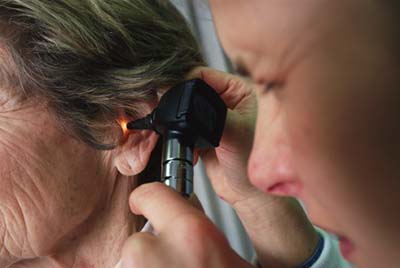
Hearing is one of the most vital senses, helping us communicate and interact with the world. However, ear health is often overlooked, leading to issues such as hearing loss, infections, and tinnitus. In this guide, we will cover essential tips to maintain ear health and prevent common ear-related problems.
Why Ear Care is Important
- Protects against infections and hearing loss.
- Prevents damage from loud noises.
- Improves overall quality of life by maintaining good hearing.
- Reduces the risk of conditions like tinnitus and earwax buildup.
Best Practices for Healthy Ears
1. Keep Your Ears Clean the Right Way
- Avoid using cotton swabs, as they can push earwax deeper into the ear canal.
- Clean the outer ear with a damp cloth.
- If you have excessive earwax, consult a doctor for safe removal.
2. Protect Your Ears from Loud Noises
- Reduce exposure to loud environments such as concerts and industrial areas.
- Use noise-canceling headphones or earplugs when in high-noise areas.
- Follow the 60/60 rule when using earphones. Keep the volume below 60%. Listen for no more than 60 minutes at a time.
3. Maintain Good Ear Hygiene
- Avoid inserting objects like pins, earbuds, or fingers into the ear canal.
- Dry your ears properly after swimming or bathing to prevent infections.
- Use ear drops if you experience excessive wax buildup, but only under medical guidance.
4. Prevent and Treat Ear Infections
- Keep your ears dry and clean.
- Avoid swimming in dirty water to reduce the risk of infections.
- If you experience pain, discharge, or muffled hearing, consult a doctor immediately.
5. Get Regular Hearing Checkups
- Schedule an ear checkup annually, especially if you are above 40 years old.
- Visit an ENT specialist if you notice any signs of hearing loss, ringing in the ears (tinnitus), or persistent pain.
6. Follow a Healthy Diet for Ear Health
- Include foods rich in Omega-3 fatty acids (fish, nuts) for better hearing function.
- Consume Vitamin C and E-rich foods (citrus fruits, spinach) to prevent infections.
- Stay hydrated to maintain proper circulation in the ear.
7. Be Cautious with Earphones and Headphones
- Use noise-canceling headphones to reduce the need for high volumes.
- Avoid sharing earbuds to prevent infections.
- Take breaks while listening to music for long periods.
8. Manage Stress to Avoid Tinnitus
- High-stress levels can contribute to ear-ringing (tinnitus).
- Practice relaxation techniques like meditation and yoga.
- Avoid excessive caffeine and alcohol, as they can worsen tinnitus symptoms.
Common Ear Problems and Their Prevention
1. Earwax Buildup
- Causes: Overproduction of wax, improper cleaning.
- Prevention: Avoid inserting objects in the ear, use doctor-recommended drops.
2. Hearing Loss
- Causes: Loud noise exposure, aging, infections.
- Prevention: Protect ears from loud sounds, get regular checkups.
3. Tinnitus (Ringing in the Ears)
- Causes: Stress, loud noises, ear infections.
- Prevention: Reduce stress, limit caffeine, avoid loud music.
4. Swimmer’s Ear (Otitis Externa)
- Causes: Water trapped in the ear, bacterial infections.
- Prevention: Dry ears thoroughly after swimming, use earplugs in pools.
FAQs
1. How often should I clean my ears?
It is best to clean the outer ear once a week with a damp cloth. Avoid deep cleaning inside the ear canal without medical supervision.
2. Can earphones cause permanent hearing damage?
Yes, prolonged exposure to high-volume sound can lead to noise-induced hearing loss. Follow the 60/60 rule to protect your ears.
3. What are the signs of hearing loss?
Symptoms include muffled sounds, difficulty in understanding speech, frequent requests to repeat conversations, and ringing in the ears.
4. Is tinnitus curable?
Tinnitus has no permanent cure but can be managed with lifestyle changes, sound therapy, and stress reduction.
5. When should I see a doctor for ear problems?
Consult an ENT specialist if you experience persistent ear pain. You should seek consultation if there is sudden hearing loss. Also, seek consultation if there is discharge from the ear or prolonged ringing in the ears.
Conclusion
Taking care of your ears is essential for maintaining healthy hearing and preventing complications. By following these preventive measures and scheduling regular ear checkups, you can ensure long-term ear health. If you experience any discomfort or hearing issues, seek medical advice promptly.
Disclaimer
This article is for informational purposes only. Please consult an ENT specialist for medical concerns related to ear health.


